
Étiquettes
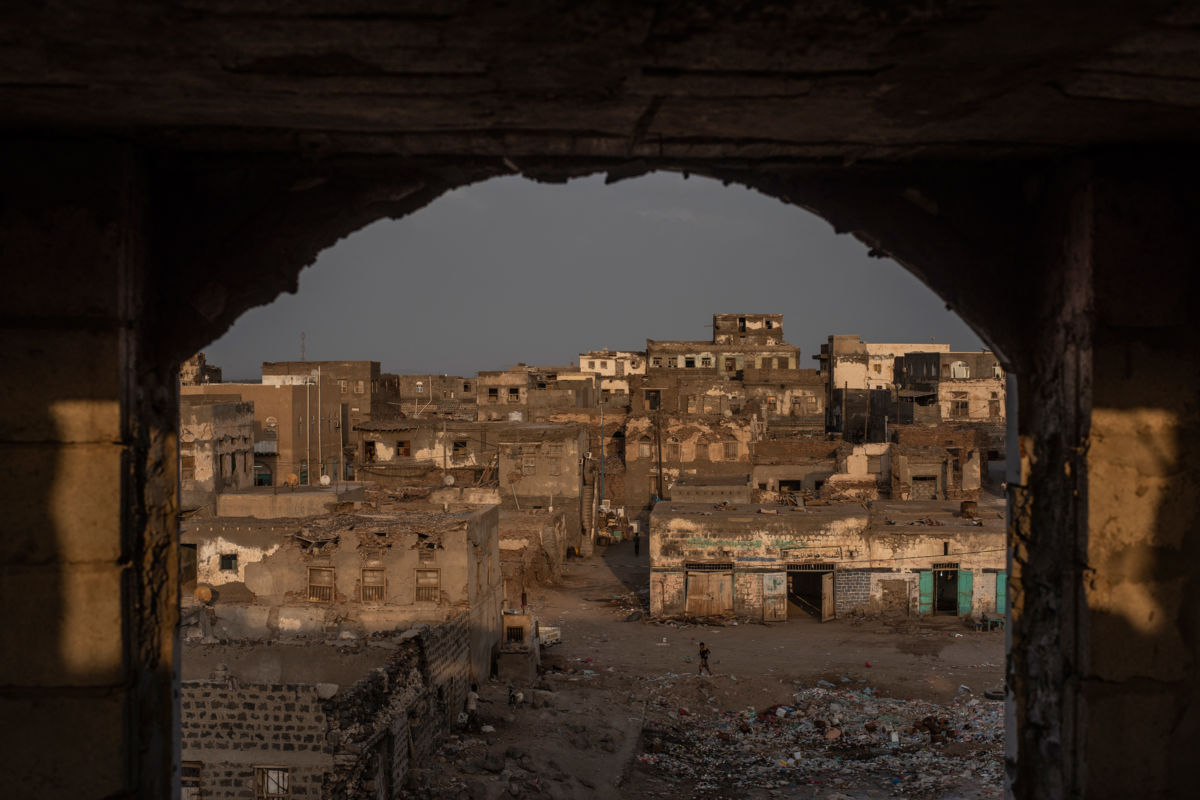
By Mike Ludwig, Truthout
The Senate voted 63-37 on Wednesday to advance a resolution that would end United States support for the Saudi-led coalition fighting Houthi rebels in Yemen, where thousands of civilians have been killed and millions more face starvation and the outbreak of disease in what the UN has called the world’s worst humanitarian crisis.
Before the vote, senators from both parties expressed frustration with the ongoing bloodshed in Yemen, the lack of transparency around the Trump administration’s relationship with the Saudi Arabian government, and its response to the abduction and killing of Saudi journalist Jamal Kashoggi.
Sen. Bernie Sanders (I-Vermont) said, “It is a vote … that says that the United States Senate respects the Constitution … and understands that the issue of war making, of going to war, putting young men and women’s lives at stake, is something determined by the US Congress, not the president of the United States.”
The vote brings the resolution out of committee and to the Senate floor for debate and markup. A vote on the final legislation is expected as early as next week.
The US and other western countries supply a coalition led by Saudi Arabia and the United Arab Emirates with military equipment, fuel and intelligence that are being used to wage the war in Yemen. President Trump has dubiously boasted about negotiating arms deals with Saudi Arabia even as Saudi military leaders came under mounting international scrutiny for killing civilians and other possible war crimes.
If passed by the Senate, the resolution to end US involvement in Yemen’s civil war would be a major victory for Sanders and peace activists on Capitol Hill, who have long pushed to end US support for the Saudi-led coalition fighting in Yemen and reassert Congress’s power over military entanglements overseas.
“Congress needs to reassert its war-making authorities, it has not done so in the past 17 years, and we have seen a slow and steady expansion of wars around the world,” said Kate Kizer, director of Win Without War, an antiwar group putting public pressure on lawmakers to support the resolution, in a press conference.
The resolution also gives members of Congress a chance to issue a sharp rebuke of the Trump administration’s broader stance toward Saudi Arabia. Trump has come under fire from lawmakers in both parties over his milquetoast response to the murder of Saudi dissident and Washington Post columnist Jamal Khashoggi at a Saudi Embassy in Istanbul on October 2.
Multiple reports and a CIA review have left little doubt that the Crown Prince Muhammad bin Salman ordered Khashoggi’s killing, but Trump has attempted to cast doubt on the revelations, saying in a statement last week that it’s possible the crown prince “had knowledge” of the “tragic event,” but “maybe he did and maybe he didn’t!” Trump also reaffirmed Saudi Arabia’s standing as a “steadfast partner” in the Middle East and “great ally” to the US in “our very important fight against Iran.” The Saudi government denies that Prince Muhammad ordered the attack on Khashoggi or knew about it beforehand.
Congress Eyes Khashoggi and Carnage in Yemen
The resolution, introduced by Sen. Bernie Sanders and sponsored by members of both parties, invokes the War Powers Act of 1973, which states that Congress can direct the president to remove US armed forces from “hostilities abroad” if no declaration of war or legal authorization has been granted. If it passes, US forces will still be allowed to launch operations against Al-Qaeda in Yemen.
An earlier version of the resolution failed in March, when 10 Democrats joined a Republican majority in a 44 to 55 vote against the legislation. Since then, the Khashoggi murder has exploded across the headlines, along with more deadly attacks on Yemeni civilians — including a school bus full of children destroyed by a US-made bomb. Harrowing images of mass starvation have also appeared in the Western media, illustrating the dire impacts of the Saudi military blockades that prevent food, medicine and other humanitarian supplies from reaching desperate populations.The UN has warned that Yemen could be facing the worst famine in 100 years if the conflict does not end and the economy collapses.
 Groupe Gaulliste Sceaux