
Étiquettes
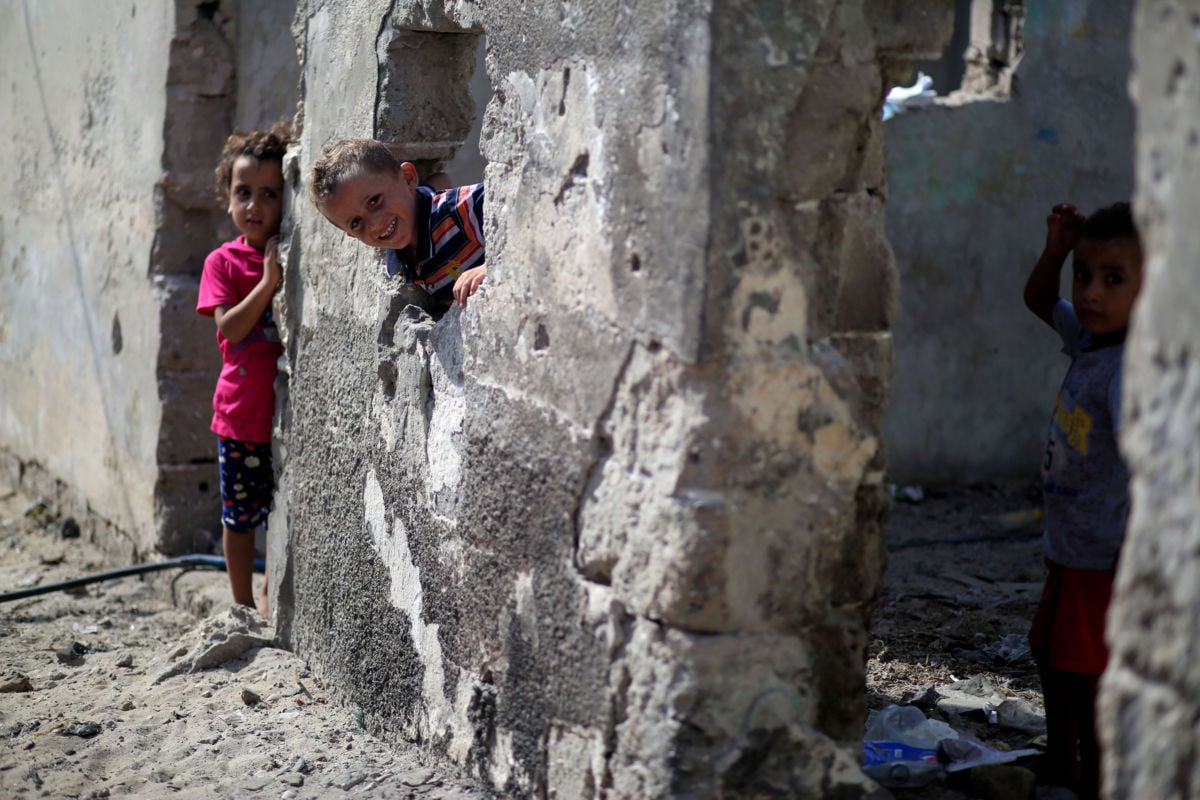
Years ago, I visited Gaza. It was in 2009, shortly after the disastrous Israeli war, and I was there to see the damage firsthand with other activists. There was devastation, but that’s not what I remember most.
More than the skeletal remains of a hotel on the beach, riddled with holes from artillery fire, I was struck by the laughter of the children running past it, playing. More than the rubble of the American International School of Gaza, I was moved by the sounds of a wedding parading in the street.
I was deeply impacted by the warmth of new friends, eager to share a meal in a break with the isolation that Palestinians — especially in Gaza — face. That longing for connection and solidarity was something that resonated with me deeply as a Black person from the United States.
Even for a man known for petty, personal attacks against his enemies, Trump has taken his offensive against Tlaib and Omar to a new level — from telling them to “go back where they came from” to responding to saying he doesn’t “buy Rep. Tlaib’s tears” about her Palestinian grandmother. He simply can’t let it go.
But why?
On one level, maybe Trump hates Omar and Tlaib for who they are: progressive women of color who wildly disrupt Western stereotypes of Muslim women. But I think he’s also afraid of them for what they do — especially when it comes to challenging the U.S.-Israel relationship and humanizing Palestinians.
 Groupe Gaulliste Sceaux